
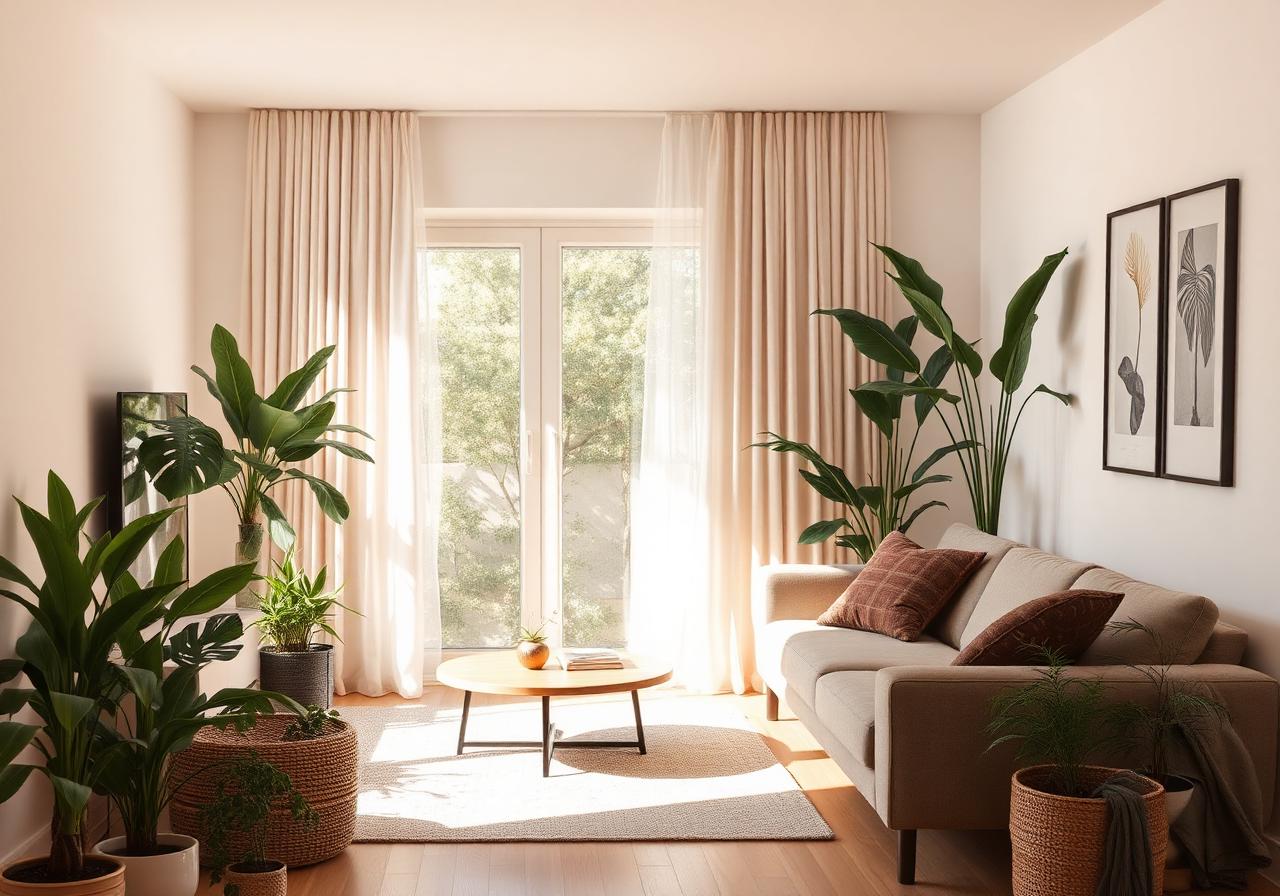
Modern living rooms are often designed to impress guests, showcase trends, or maximize aesthetics for social media photos. But very few are designed for something people genuinely need more of: rest.
A living room should not feel overstimulating, cluttered, or emotionally exhausting. It should feel calming, welcoming, and restorative — a space where your mind can slow down after long workdays, endless notifications, and constant digital noise.
The good news is that creating a restful living room doesn’t require a massive budget or luxury furniture. In many cases, the most relaxing spaces are built through intentional simplicity, thoughtful lighting, and a better understanding of how environments affect mood.
Here’s how to design a living room that truly helps you rest.
1. Start With Less, Not More
One of the biggest mistakes people make when decorating a living room is overfilling the space.
Too many:
- decorations,
- shelves,
- colors,
- textures,
- or furniture pieces
can create visual noise that quietly increases stress and mental fatigue.
A restful room feels breathable.
What To Do Instead
Focus on:
- fewer furniture pieces,
- clean surfaces,
- intentional decor,
- and open visual space.
Ask yourself:
“Does this item add calm or distraction?”
Minimalism doesn’t mean empty or cold. It simply means creating room for your mind to relax.
2. Choose Softer, Calming Colors
Color heavily affects emotional comfort.
Bright, aggressive, or overly saturated colors can make a room feel energetic rather than peaceful.
For a calming living room, prioritize:
- warm neutrals,
- soft whites,
- muted greens,
- earthy browns,
- dusty blues,
- and gentle gray tones.
These colors help create psychological softness and reduce visual tension.
Great Restful Color Combinations
- Warm beige + soft olive
- Cream + muted navy
- Light gray + wood tones
- Sand + sage green
- Off-white + charcoal accents
The goal is not to make the room boring —
it’s to make it emotionally comfortable.
3. Lighting Changes Everything
Lighting is one of the most overlooked aspects of home design.
Harsh overhead lighting can make even beautiful rooms feel cold and draining.
A restful living room should use layered lighting instead.
Best Lighting Approach
Combine:
- floor lamps,
- warm table lamps,
- indirect lighting,
- and natural light during the day.
Choose warm white bulbs rather than overly cool daylight bulbs.
Soft lighting helps:
- reduce eye strain,
- create emotional warmth,
- and signal relaxation to the brain.
4. Prioritize Comfort Over Perfection
Many living rooms look beautiful but feel uncomfortable to actually live in.
A truly restful space should invite people to:
- sit,
- pause,
- read,
- nap,
- talk,
- or simply exist comfortably.
Focus On:
- soft fabrics,
- supportive seating,
- cozy throws,
- oversized cushions,
- and breathable textures.
You do not need a “perfect” showroom setup.
You need a room that feels human.
5. Reduce Digital Clutter
Modern living rooms often revolve entirely around screens.
While TVs and devices are part of everyday life, too much visible technology can make a room feel mentally noisy.
Try Creating Balance
You can:
- hide cables,
- reduce unnecessary gadgets,
- use closed storage,
- or create small tech-free corners.
Even adding:
- books,
- candles,
- plants,
- or calming artwork
can soften the dominance of screens.
A restful room should feel like a place where your attention can breathe.
6. Bring Nature Into The Space
Natural elements instantly make rooms feel calmer and more grounded.
Even small touches can make a noticeable difference.
Easy Ways To Add Natural Warmth
- Indoor plants
- Wooden textures
- Linen fabrics
- Stone accents
- Natural sunlight
- Organic shapes
Nature helps soften rigid interiors and creates a more peaceful atmosphere.
You don’t need a jungle indoors —
even one healthy plant can change the energy of a room.
7. Think About Sound And Silence
Rest is not only visual — it’s sensory.
A room that echoes heavily or constantly absorbs outside noise can feel subconsciously stressful.
Add Soft Materials
Rugs, curtains, cushions, and upholstered furniture help absorb sound and create a quieter environment.
You can also use:
- calming music,
- white noise,
- or subtle ambient sounds
to make the room feel more restorative.
8. Create Small Ritual Spaces
The most comforting living rooms often support daily rituals.
Maybe it’s:
- a reading corner,
- a tea station,
- a cozy chair near the window,
- or a soft evening lamp beside the couch.
These small details help transform a room from “just a space” into a place associated with comfort and emotional recovery.
9. Stop Designing Only For Guests
Many people unknowingly design their living rooms for visitors rather than themselves.
But the people who spend the most time in the room are usually:
- you,
- your family,
- or your close loved ones.
A restful home should reflect how you actually live.
Choose comfort.
Choose functionality.
Choose calm.
Not every space needs to feel like a luxury hotel lobby.
Final Thoughts
A restful living room isn’t created through expensive trends or perfect aesthetics.
It’s built through intentional choices that support:
- comfort,
- peace,
- softness,
- and emotional balance.
The best living rooms don’t just look good —
they help people feel better.
In a world filled with constant stimulation, stress, and digital overload, creating a calm living space may be one of the healthiest design decisions you can make.